

Trump’s Birthright Citizenship Order Could Rewrite US Citizenship in 2026
Trump’s Birthright Citizenship Order reaches the Supreme Court in 2026. Here’s what’s at stake and how this case could reshape America’s citizenship rules.

There are moments when a legal fight doesn’t just touch policy - it shakes the foundation of how a country sees itself. The case surrounding Trump’s Birthright Citizenship Order is one of those moments. With the Supreme Court agreeing to hear arguments early next year, the country is suddenly staring at a question many believed was settled long ago: who is automatically a citizen at birth?
Let’s explore what led to this point, what each side is arguing, and why this showdown matters far beyond politics.
How We Got Here
On January 20, 2025, just hours into his second term, Donald Trump signed an executive order aiming to end birthright citizenship for children born in the United States to undocumented parents or parents visiting on temporary visas. The order told federal agencies to withhold citizenship documents for babies born after February 20.
That effective date, though, came and went with nothing changing. Courts across the country immediately put the order on ice. Judges in Washington, Maryland, New Hampshire, and a handful of other states all concluded that the order clashed with the Constitution and existing federal law.
Still, the administration kept pushing, and by late September 2025, the case landed at the Supreme Court’s doorstep. On December 5, the Court agreed to take it up in 2026.
That’s when things got real.
Where Birthright Citizenship Comes From
To understand the weight of this case, you have to look back more than a century. After the Civil War, the country needed clarity on who counted as a citizen, especially after the Dred Scott decision had gone in the wrong direction. So Congress wrote the 14th Amendment in 1868.
 Image Credit: CAIR California
Its citizenship clause says anyone born in the United States and “subject to the jurisdiction” of the country is a citizen. For most people, that line has always felt clear.
Back in 1898, the Supreme Court confirmed that Wong Kim Ark was a US citizen because he was born in San Francisco, even though his parents weren’t citizens. This case still guides how the country handles birthright citizenship.
Congress backed this up again in the Immigration and Nationality Act of 1952.
So if this is history, why are we arguing again?
The Trump administration believes that “subject to the jurisdiction” doesn’t automatically apply to every child born here.
What the 2025 Executive Order Tried to Do
In simple terms, Trump’s Birthright Citizenship Order tried to reinterpret the jurisdiction clause. The administration claims that children of undocumented immigrants or short-term visa holders are not fully under US jurisdiction because their parents owe allegiance to another country.
Based on that view, those children shouldn’t be granted automatic citizenship at birth.
If upheld, this would mark one of the biggest shifts in US immigration policy in generations. The United States is one of roughly 30 countries that still follow unconditional birthright citizenship. Changing it would break a 150-year-old practice and reshape how the country manages citizenship going forward.
Why Lower Courts Blocked It Immediately
Judges didn’t hesitate. Their reasons were fairly consistent:
1. The Constitution’s text leaves little room for reinterpretation
2. Supreme Court precedent already settled this in Wong Kim Ark
3. The executive branch can’t override federal law through an order
A New Hampshire court stopped the order from applying to any newborns, and the 9th Circuit later ruled that it didn’t fit with the Constitution or federal immigration laws.
These rulings forced the administration to take its case to the highest court.
The Administration’s Side of the Argument
The government’s brief claims that the 14th Amendment wasn’t designed to cover everyone born in the country. They argue it was created to guarantee citizenship for formerly enslaved children, not children of undocumented immigrants or temporary visitors.
Their main point rests on allegiance - whether the parents are fully tied to the United States or still legally tied to another government. They also argue that Wong Kim Ark was about families who were legal residents, which makes today’s circumstances different.
If the Supreme Court agrees, the meaning of the 14th Amendment’s jurisdiction clause would shift dramatically.
The Challengers’ Position
On the other side are state governments, immigrant-rights groups, constitutional scholars, and pregnant individuals who would be directly affected.
Their stance is straightforward:
1. The Constitution already answers this
2. A century of precedent backs it up
3. An executive order cannot rewrite citizenship rules
4. Congress alone has that power
They also warn that ending birthright citizenship could create a generation of stateless children - kids born here but with no clear legal nationality.
For them, the stakes aren’t theoretical. They’re immediate and deeply personal.
Why This Case Reached the Supreme Court Now
There’s an interesting twist behind the timing. In June 2025, the Supreme Court limited the use of nationwide injunctions. Lower courts now must issue narrower rulings instead of blocking a federal policy across the entire country.
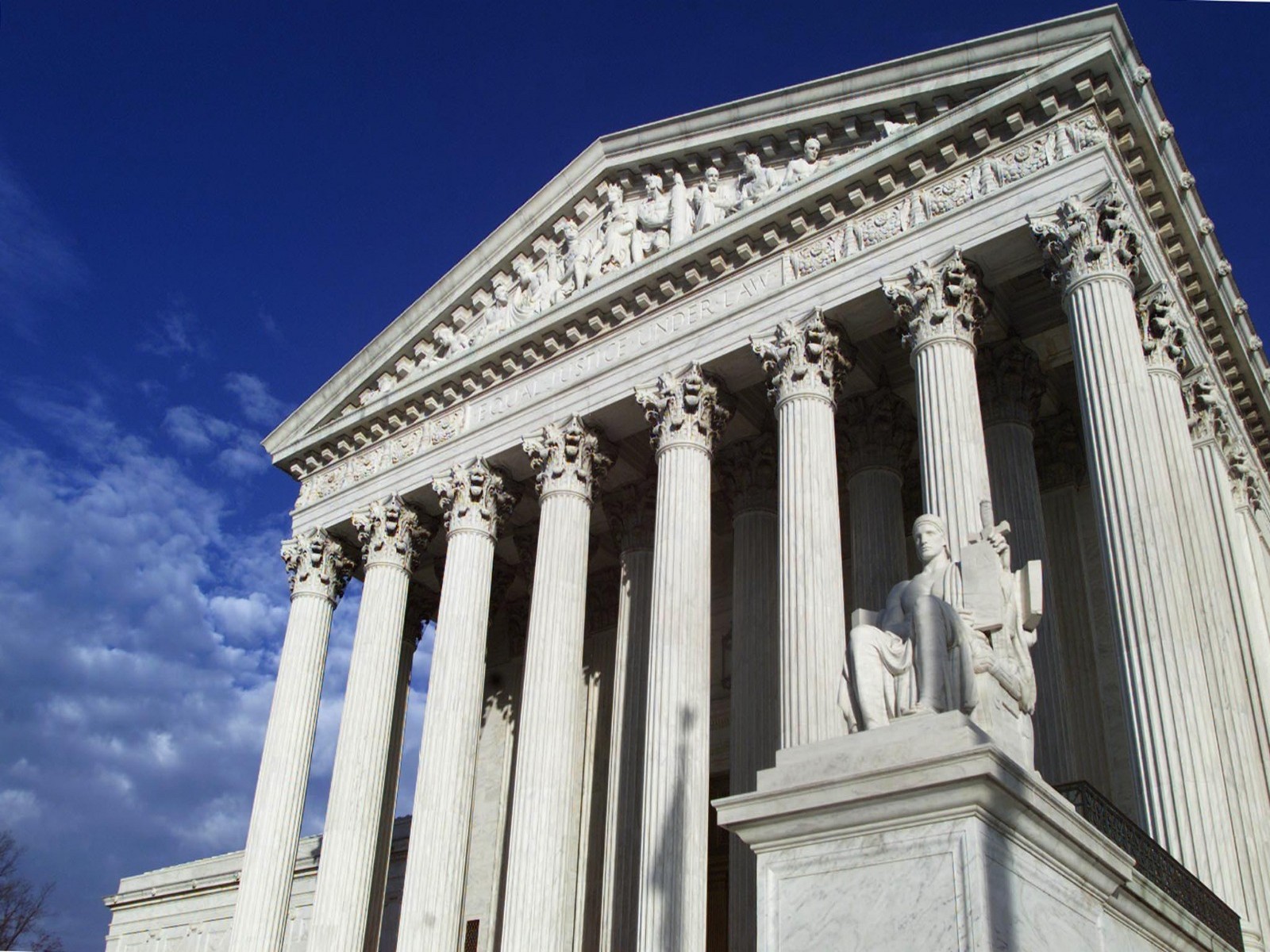
Image Credit: ANI News
That change allowed smaller, targeted challenges to move forward one case at a time. Those cases eventually stacked up until the Court could no longer avoid taking the issue head-on.
Now it’s set for oral arguments in spring 2026.
What the Court Might Decide
Once arguments finish, the justices will deliberate for several months. The ruling is expected by early summer.
Here’s what could happen:
1. The Court Throws Out the Order Completely
The simplest outcome. Birthright citizenship stays exactly as it has been for over a century. The ruling would shut the door on using executive power to change citizenship rules.
2. The Court Upholds the Order Completely
Children born after February 20, 2025, to undocumented parents or temporary-stay parents might not be citizens. Every government system, from hospitals to immigration offices, would need immediate updates.
3. A Partial or Narrow Ruling
The Court might try to walk a middle path - maybe clarifying the jurisdiction clause, limiting certain interpretations, or sending the issue to Congress to handle directly.
This scenario could spark years of additional legal battles.
Why This Fight Reaches Far Beyond 2026
What this case really shows is how central birthright citizenship is to American identity. It’s one of the clearest guarantees the country offers: if you’re born on American soil, you belong here.
Changing that rule redefines what belonging even means.
Whether the Court sides with the administration or the challengers, the impact will echo through policy debates, immigration courts, and political conversations for years.
And because only a few dozen countries still follow pure birthright citizenship, the world will be watching closely.
Final Thoughts
As the Supreme Court prepares to hear this case, millions of families wait in uncertainty. The outcome won’t just settle a legal question - it will help shape the country’s future.
No matter what the ruling is, Trump’s Birthright Citizenship Order has pushed the nation into a deep conversation about identity, history, and what it means to be American.
What's Your Reaction?
 Like
0
Like
0
 Dislike
0
Dislike
0
 Love
0
Love
0
 Funny
0
Funny
0
 Wow
0
Wow
0
 Sad
0
Sad
0
 Angry
0
Angry
0

I’m Ryan Rehan, Business Development Executive and a passionate blogger dedicated to sharing insights, tips, and experiences that inspire and inform. Through my blogs, I explore topics that matter, spark curiosity, and encourage thoughtful conversations. Whether I’m breaking down complex ideas, offering practical advice, or simply sharing stories, my goal is to create content that adds real value to a growing community of curious minds and passionate readers.















Comments (0)