

Rainbows are Vanishing in India: Here’s the Alarming Reason Why
Discover why rainbows are disappearing from India’s skies and what this alarming trend reveals about climate change and environmental impact. Explore the causes, consequences, and what can be done to protect our skies.
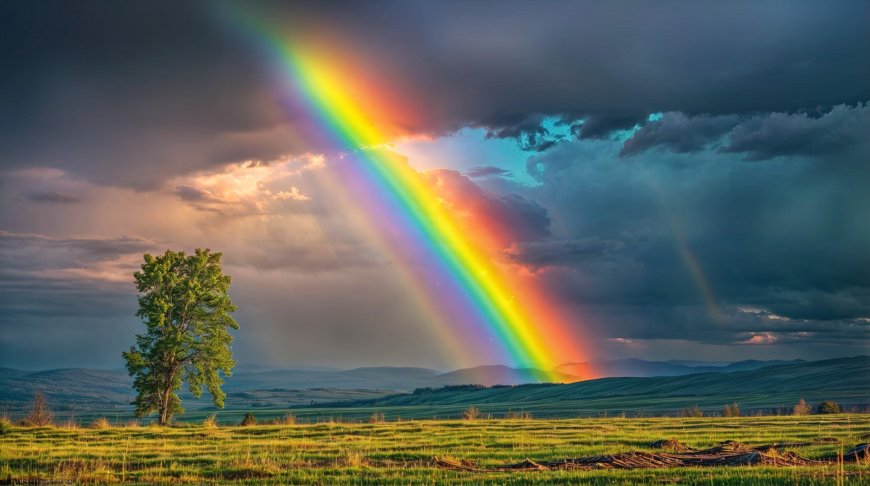
Rainbows have always been a delight. A sudden curve of color across the sky after a rain shower can stop people in their tracks, make kids point upward, and inspire lines of poetry. In India, where the monsoon has shaped culture, crops, and celebrations for centuries, rainbows have carried a special charm. They reflect new life, grace, and a gentle reminder that nature always has hidden marvels.
But here’s the thing: spotting a rainbow in many parts of India has quietly become harder. For some, the last time they saw one feels like a distant memory. This isn’t a coincidence. It’s tied closely to how our climate and atmosphere are changing. Losing rainbows isn’t only about the sky missing its most vibrant arc. It’s a symbol of how climate change reshapes even the smallest details of life that we often take for granted.
Are Rainbows Really Disappearing in India?
A claim has circulated that rainbow sightings in India have dropped by 70 percent over the last two decades. While that number itself doesn’t come from official data, it does capture a larger truth. People in many Indian cities and lowland regions are seeing fewer rainbows than before.
Why? Rainbows depend on a delicate mix of sunlight, rain, and clear air. All three are being disrupted. Rising air pollution blocks sunlight. Monsoon patterns are less predictable, with intense downpours in short bursts rather than gentle rain that usually creates rainbow conditions. As temperatures rise, the water cycle becomes unpredictable, with uneven evaporation and rain.
So, while rainbows are not “functionally extinct” in India as some dramatic headlines suggest, there’s no denying they’re fading from daily life in several parts of the country.
How Rainbows Form and Why Climate Change Matters
To understand the decline, let’s break down what creates a rainbow.
You need:
1. Sunlight at a low angle (early morning or late afternoon is best).
2. Water droplets in the air after or during rain.
3. Clean air so light can bend, reflect, and scatter without too much obstruction.
Climate change and human activity interfere with this recipe. Urban air is filled with dust and smog that scatter light differently, muting rainbow intensity. Changing rainfall patterns reduces the chances of the sun appearing right after a shower. With heatwaves, extended droughts, and sudden bursts of rain becoming the norm, the chances of rainbow-perfect skies are shrinking.
Put simply, when the atmosphere itself is unstable, the stage for rainbows doesn’t get set often.
What Global Research Tells Us
A large-scale study in Global Environmental Change examined how often rainbows are visible worldwide. The study used climate data to anticipate the annual frequency of rainbow days, projecting changes through the end of the century.
Here’s what they found:
1. Globally, rainbow days may actually rise by about 4–5 percent, but not evenly.
2. Rainbows are expected to become rare in tropical, heavily populated countries such as India.
3. Colder, mountainous regions such as the Himalayas could see more rainbows as shifting climates create the right mix of rain and sunshine.
This is where nuance matters. India isn’t about to lose rainbows everywhere. If you’re trekking in Himachal Pradesh, Uttarakhand, or Arunachal Pradesh, you might even encounter them more often in the future. But if you live in Delhi, Mumbai, or Kolkata, chances are you’ll keep seeing fewer.
The decline is local, not total. And that local decline still speaks volumes about air quality, rainfall disruption, and the uneven impact of climate change.
The Cultural Weight of Rainbows in India
Rainbows are easy to dismiss as just another natural trick of light. But in India, they’ve long carried meaning beyond science.
Rainbows often feature in folklore as signs of good fortune. Poets have used them to describe fleeting beauty and the blending of contrasts. For farmers, a rainbow after monsoon rain once symbolized balance between sun and water, perfect for crops. As kids, seeing a rainbow felt like pure magic that never failed to amaze us.
When these arcs fade from everyday skies, it isn’t just nature losing a shade. It’s a quiet loss in culture, storytelling, and emotional connection to the world outside.
Why the Disappearing Rainbow Matters
Some may wonder if worrying about rainbows is trivial compared to rising sea levels, melting glaciers, or heatwaves. But that’s exactly why the rainbow is such a powerful marker.
It shows us how climate change works in subtle, everyday ways. It’s not only about disasters on the news but also about small vanishings; a bird that no longer calls in a neighborhood, a flower that blooms earlier than before, or a rainbow that never appears after a summer shower.
These shifts are reminders that climate change isn’t distant or abstract. It’s woven into the fabric of daily life, altering both the visible and the invisible.
Can Rainbows Return to Indian Skies?
The good news is that rainbow decline isn’t irreversible. Making the air cleaner alone can create a big difference. Cities that curb emissions and manage pollution often notice clearer skies in just a few years. Clearer skies let more sunlight pass through rain clouds, making rainbows more likely.
Stabilizing rainfall is harder since it ties into global climate patterns, but efforts to cut greenhouse gas emissions reduce the extremes that disrupt monsoons. Local measures like urban greening also help by lowering temperatures and improving humidity, both of which support healthier rainfall cycles.
What this really means is: saving rainbows requires the same actions needed to tackle climate change broadly. Cutting emissions, reducing pollution, and protecting ecosystems bring back balance. And with that balance comes not just more rainbows but healthier air, stable farming conditions, and better quality of life.
A Rainbow as a Messenger
Think of the rainbow as a messenger. Its fading presence in many Indian skies is a signal of imbalance. Its possible revival in the mountains is a hint of how unevenly climate change reshapes our world.
If the rainbow disappears from your city, it’s not just a missing patch of color. It’s a symbol of what unchecked pollution and warming can take away quietly, without dramatic headlines. And if it reappears, it can be a reminder that when we act to restore balance, nature responds.
Conclusion
Rainbows in India aren’t gone, but they are changing. In polluted urban areas, they’re harder to find. In mountain regions, they may even become more common. This uneven pattern is part of the larger climate story that affects rain, air, and daily life across the country.
The loss isn’t only scientific. It’s cultural, emotional, and personal. Every missing rainbow is a reminder that climate change alters the small joys as much as the big systems.
Bringing them back isn’t impossible. Clearer skies, stable rains, and lower emissions can restore the conditions for rainbows to flourish. And when they do, they’ll stand as proof that nature responds to care as much as it reacts to neglect.
So, the next time you catch a rainbow after a rain shower, pause for a moment. You might be looking at more than just sunlight and raindrops. You’re witnessing a fragile balance that depends on choices made today and a glimpse of what’s still worth protecting.
What's Your Reaction?
 Like
0
Like
0
 Dislike
0
Dislike
0
 Love
0
Love
0
 Funny
0
Funny
0
 Wow
0
Wow
0
 Sad
0
Sad
0
 Angry
0
Angry
0

I’m Ryan Rehan, Business Development Executive and a passionate blogger dedicated to sharing insights, tips, and experiences that inspire and inform. Through my blogs, I explore topics that matter, spark curiosity, and encourage thoughtful conversations. Whether I’m breaking down complex ideas, offering practical advice, or simply sharing stories, my goal is to create content that adds real value to a growing community of curious minds and passionate readers.

















Comments (0)