

Delhi’s Fuel Ban on Older Vehicles Postponed to November 2025: What You Need to Know
Delhi's fuel ban on diesel and petrol vehicles older than 10 and 15 years has been postponed to November 2025. Learn why the delay happened, what it means for vehicle owners, and what’s next.
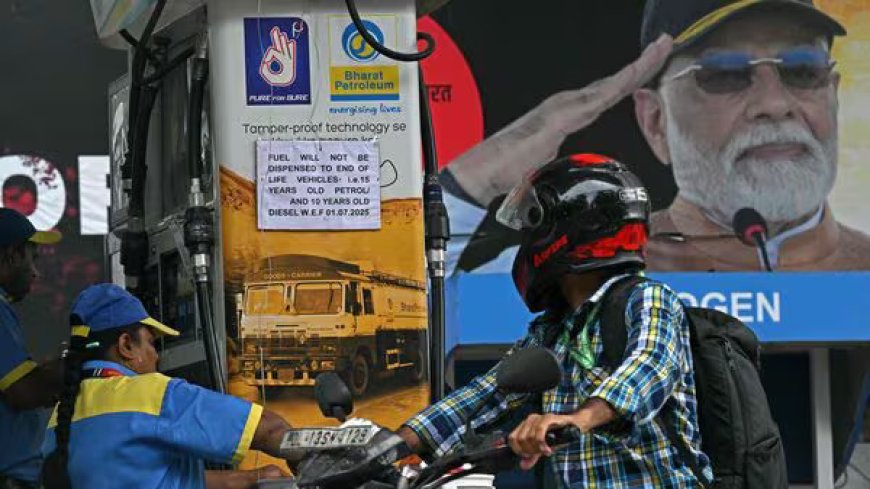
Delhi’s fight against air pollution has taken many twists and turns over the years, and now, there’s a fresh update that affects lakhs of vehicle owners across the city. The much-talked-about fuel ban on older diesel and petrol vehicles, which was set to begin on July 1, 2025, has been postponed.
If you own a car in Delhi or regularly commute around the National Capital Region (NCR), this blog will walk you through everything you need to know about the new fuel ban timeline, why it’s been delayed, how it will impact you, and what’s coming next.
What Exactly Is the Fuel Ban?
Let’s start with the basics. The fuel ban is a policy aimed at reducing air pollution by restricting fuel access to End-of-Life (EOL) vehicles.
1. Diesel vehicles older than 10 years
2. Petrol vehicles older than 15 years
These are considered EOL vehicles and are banned from receiving fuel at petrol pumps in Delhi and the wider NCR. The idea is simple: by denying fuel, these vehicles will be forced off the roads, thereby reducing emissions.
Original Plan: The Earlier Timeline
Initially, the plan was to roll out the ban in a phased manner:
July 1, 2025 - Ban starts in Delhi
November 1, 2025 - Extends to high-vehicle-density NCR districts like Gurugram, Faridabad, Ghaziabad, Gautam Buddh Nagar, and Sonipat
April 1, 2026 - Full implementation across the rest of NCR
This phase-wise rollout was designed to give authorities time to monitor, adapt, and streamline enforcement in stages.
So, Why Has the Ban Been Delayed?
While the plan looked good on paper, real-world challenges got in the way.
1. Technology Glitches
The core enforcement system for the ban relies on Automatic Number Plate Recognition (ANPR) cameras. These cameras scan license plates at fuel stations and cross-check the vehicle’s age and registration status using the VAHAN database. If the vehicle is classified as EOL, the system automatically denies fuel.
But here’s the issue - many older vehicles don’t have High Security Registration Plates (HSRP), which are needed for ANPR systems to work correctly. Without these plates, the cameras either fail to recognize the vehicle or misclassify it.
2. Public Concerns
The Delhi government, led by Environment Minister Manjinder Singh Sirsa, raised valid concerns. He pointed out that enforcing the ban too quickly could hurt middle-class families and small business owners who still rely on older vehicles for daily income and livelihood.
Imagine being denied fuel overnight, with no time or financial capacity to switch to a new vehicle. Understandably, this sparked public unrest and debate, forcing a reconsideration.
The New Plan: What’s Changing?
After reviewing the technical and social concerns, the Commission for Air Quality Management (CAQM) has revised the timeline.
Now, the fuel ban will be implemented from November 1, 2025, in both Delhi and the five key NCR districts. This means:
1. No vehicles will be denied fuel or seized in Delhi until that date.
2. Authorities will use the time to fix technical glitches and improve the ANPR system.
3. The full NCR implementation is still scheduled for April 1, 2026.
So, if you own an older vehicle, you’ve got a few extra months to plan and prepare.
What Are Authorities Doing in the Meantime?
Rather than rush into half-baked enforcement, the Delhi government and CAQM are working to:
1. Upgrade ANPR systems to be more reliable and inclusive of vehicles without HSRPs.
2. Improve integration between ANPR data and the VAHAN vehicle registry.
3. Explore alternative approaches, such as switching from an age-based ban to one that evaluates actual vehicle emissions.
This last point is especially important. Not all old vehicles pollute equally. Some are well-maintained and emit less than newer ones. So, the shift toward emission-based enforcement could be a more balanced and fair strategy in the long run.
The Legal and Environmental Backdrop
It’s worth noting that this fuel ban isn’t random. It’s backed by long-standing court directives.
In 2015, the National Green Tribunal (NGT) banned diesel vehicles older than 10 years and petrol vehicles older than 15 years.
The Supreme Court upheld this ruling in 2018, making it legally binding across the country.
Since then, various measures have been introduced to reduce pollution, including:
1. Vehicle scrappage policies
2. Revised registration rules
3. Promotion of electric vehicles
This fuel ban is just one part of that larger effort to clean up Delhi’s notoriously poor air quality.
Experts Weigh In: Is the Ban Enough?
Environmental experts welcome the move but caution against seeing it as a magic bullet.
Old vehicles do contribute significantly to air pollution, especially when poorly maintained. But other major culprits like construction dust, industrial emissions, and crop burning also play a huge role in Delhi’s air crisis.
So, while the fuel ban is a step in the right direction, it must be paired with broader environmental policies and better public transport systems to bring meaningful change.
What Should Vehicle Owners Do Now?
If your vehicle is nearing or already past the age limit, here’s what you can do:
1. Check your vehicle’s registration date on the VAHAN portal
2. Explore scrappage incentives and potential exchange offers from manufacturers
3. Consider switching to CNG or electric options, which are eco-friendly and exempt from many restrictions
Stay updated on government announcements over the next few months
Final Thoughts
The fuel ban on older vehicles in Delhi is not cancelled, it’s just postponed to November 1, 2025. This gives everyone - government, fuel station owners, and vehicle users some breathing room to prepare for a smoother transition.
As Delhi continues its fight against pollution, steps like these are necessary. But for real impact, these efforts need to be inclusive, practical, and backed by robust systems that don’t just penalize, but also support citizens in making greener choices.
So, stay informed, be proactive, and make sure your ride is ready for the future.
What's Your Reaction?
 Like
0
Like
0
 Dislike
0
Dislike
0
 Love
0
Love
0
 Funny
0
Funny
0
 Wow
0
Wow
0
 Sad
0
Sad
0
 Angry
0
Angry
0

I’m Ryan Rehan, Business Development Executive and a passionate blogger dedicated to sharing insights, tips, and experiences that inspire and inform. Through my blogs, I explore topics that matter, spark curiosity, and encourage thoughtful conversations. Whether I’m breaking down complex ideas, offering practical advice, or simply sharing stories, my goal is to create content that adds real value to a growing community of curious minds and passionate readers.
















Comments (0)