




































Cancer Is Silent Until It’s Not: Early Signs, Foods to Avoid & Breakthroughs You Need to Know
Explore early cancer signs, diet tips, treatments & breakthroughs in the global fight against this silent disease.
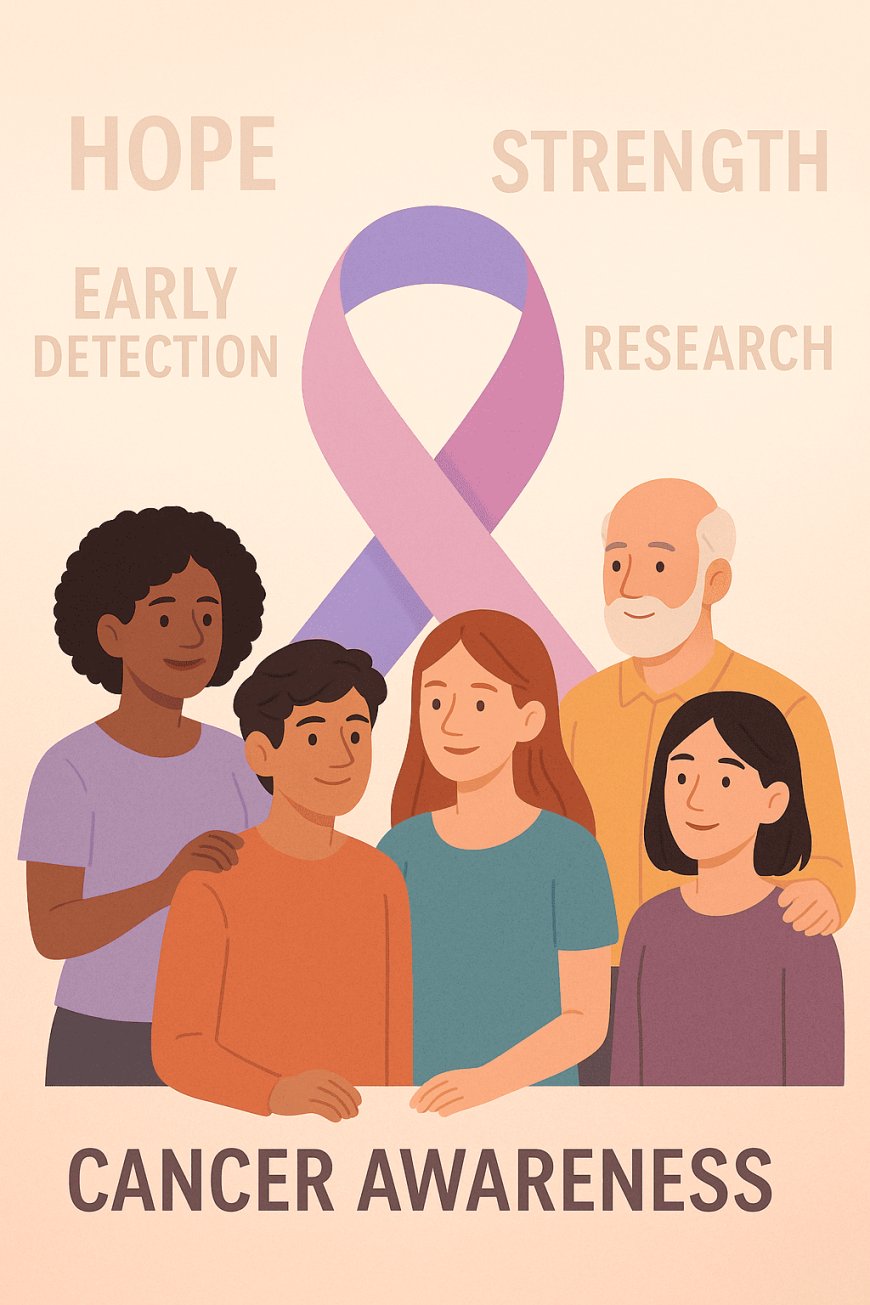
Cancer doesn’t always announce itself. In fact, one of its most dangerous traits is how quietly it grows, often undetected until it reaches a critical stage. By the time symptoms become serious, treatment becomes more challenging. But knowledge is power. Understanding early warning signs, dietary influences, and ongoing medical breakthroughs can make all the difference.
In this blog, we dive deep into what cancer really is, why it’s so often detected late, how diet plays a role, and what the USA and global researchers are doing to fight back.
What Is Cancer, and Why Does It Happen?
Cancer begins when cells in the body start growing out of control. Rather than dying when they become old or damaged, these cells continue to multiply and may lead to tumor formation or travel through the bloodstream and lymphatic system
Common causes include
- Genetic mutations
- Exposure to carcinogens (tobacco, chemicals, radiation)
- Unhealthy lifestyle (poor diet, lack of exercise, stress)
- Chronic inflammation or infections (like HPV or hepatitis)
- Obesity and hormone imbalance
The Danger of Silence: Why Early Detection Is Rare
Many cancers begin with silent symptoms or symptoms that are easily ignored. This is why diseases like pancreatic cancer, liver cancer, and even lung cancer are often diagnosed only in Stage 3 or 4.
Some early warning signs to watch out for:
-
Unexplained weight loss
-
Persistent fatigue
-
Changes in bowel or bladder habits
-
A new lump or swelling
-
Persistent cough or difficulty swallowing
-
Blood in stool or urine
-
Skin changes or non-healing sores
Regular checkups, screenings (like mammograms, colonoscopies, or PSA tests), and blood tests are critical for early detection.
Which Cancers Are Most Common?
In Men:
-
Prostate cancer (most common)
-
Lung cancer
-
Colorectal cancer
In Women:
-
Breast cancer (most common)
-
Cervical cancer
-
Ovarian and lung cancers
Most curable cancers (if caught early):
-
Testicular cancer
-
Skin cancer (basal cell)
-
Breast cancer (Stage 1–2)
-
Thyroid cancer
-
Cervical cancer (with early screening)
The Role of Diet: What Cancer Patients Should Eat & Avoid
Nutrition plays a vital role in supporting recovery, boosting immunity, and even preventing cancer. While food alone won’t cure cancer, it can significantly improve treatment outcomes.
What to Eat:
-
Colorful vegetables (broccoli, carrots, spinach)
-
Fresh fruits (especially berries, citrus, apples)
-
Whole grains (oats, quinoa, brown rice)
-
Healthy fats (nuts, seeds, olive oil)
-
High-quality protein (lentils, chickpeas, tofu)
-
Green tea, turmeric, and garlic (natural anti-inflammatories)
What to Avoid:
-
Processed meats and red meat
-
Fried and ultra-processed foods
-
Sugary snacks and soft drinks
-
Excess alcohol
-
Dairy products (in hormone-sensitive cancers)
Should Cancer Patients Avoid Dairy?
Recent studies suggest that dairy products may increase insulin-like growth factor 1 (IGF-1), which can promote tumor growth. Dairy might be especially risky for prostate and breast cancer patients. While evidence is still being studied, many experts recommend switching to plant-based milks (almond, soy, oat) during treatment.
The Global Fight: Breakthroughs in Cancer Research
The USA is leading some of the most promising cancer research in the world, including
1. mRNA Cancer Vaccines (Moderna & BioNTech)
These custom-made vaccines help the immune system recognize and target cancer cells for destruction. Early trials show promise for melanoma, pancreatic, and lung cancer.
2. CAR-T Cell Therapy
This treatment reprograms a patient’s own immune cells to recognize and destroy cancer. It has proven effective in treating blood-related cancers such as leukemia and lymphoma.
3. CRISPR Gene Editing
This revolutionary tech can “cut out” cancer-causing mutations. Though still in early trials, CRISPR could offer targeted cures for rare genetic cancers.
4. Targeted Therapy Drugs
New drugs now attack specific mutations in cancer cells—like KRAS, BRAF, or EGFR mutations—with fewer side effects than chemotherapy.
Leading U.S. Institutions at the Forefront
-
National Cancer Institute (NCI)
-
MD Anderson Cancer Center
-
Memorial Sloan Kettering Cancer Center
-
Dana-Farber Cancer Institute
-
City of Hope
-
Fred Hutchinson Cancer Research Center
These institutions are working on cutting-edge therapies, early detection tools, and even AI-driven diagnostics to change the future of cancer care.
Awareness Saves Lives
Cancer may be silent at first, but it doesn’t have to go unnoticed. With the right awareness, a healthy lifestyle, and regular checkups, many cancers can be detected early and treated effectively.
And while there’s still no universal cure, hope is rising - from the laboratories of the USA to ancient holistic practices that support well-being.
What's Your Reaction?
 Like
0
Like
0
 Dislike
0
Dislike
0
 Love
0
Love
0
 Funny
0
Funny
0
 Angry
0
Angry
0
 Sad
0
Sad
0
 Wow
0
Wow
0